When it comes to a bike's braking system, brake pads and brake shoes perform the same basic job: they create friction to slow down the wheels. However, they are designed for two different types of braking systems and work in different ways.
Brake pads are used in disc brakes, where they press against a rotating metal disc. Brake shoes are used in drum brakes, where they press outward against the inside surface of a rotating drum.
Understanding the difference between brake pads vs brake shoes helps bike owners identify the braking components in their vehicles and choose the correct replacements when needed. Let's look at how they differ and what to consider when replacing them.
What Are Brake Pads?
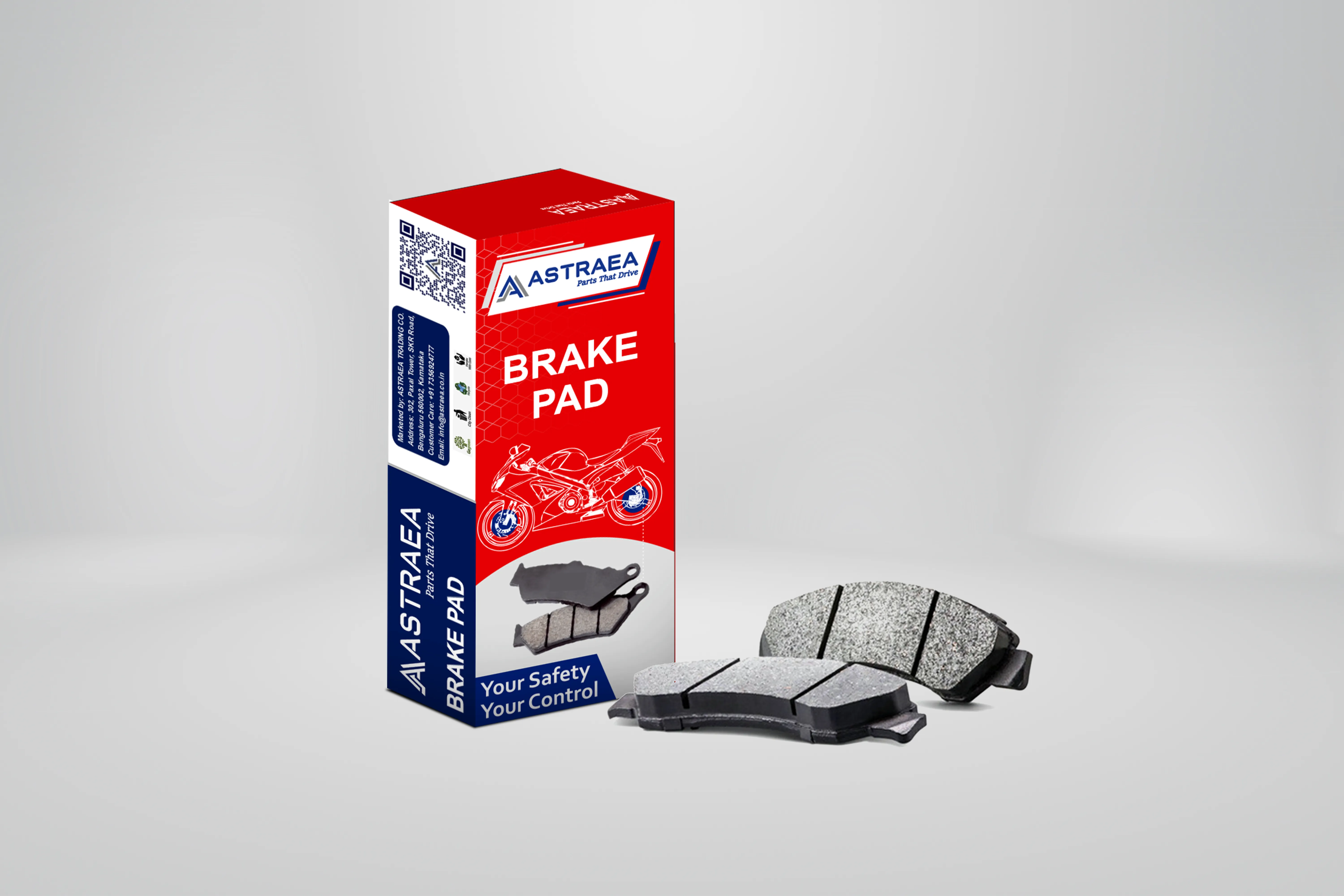
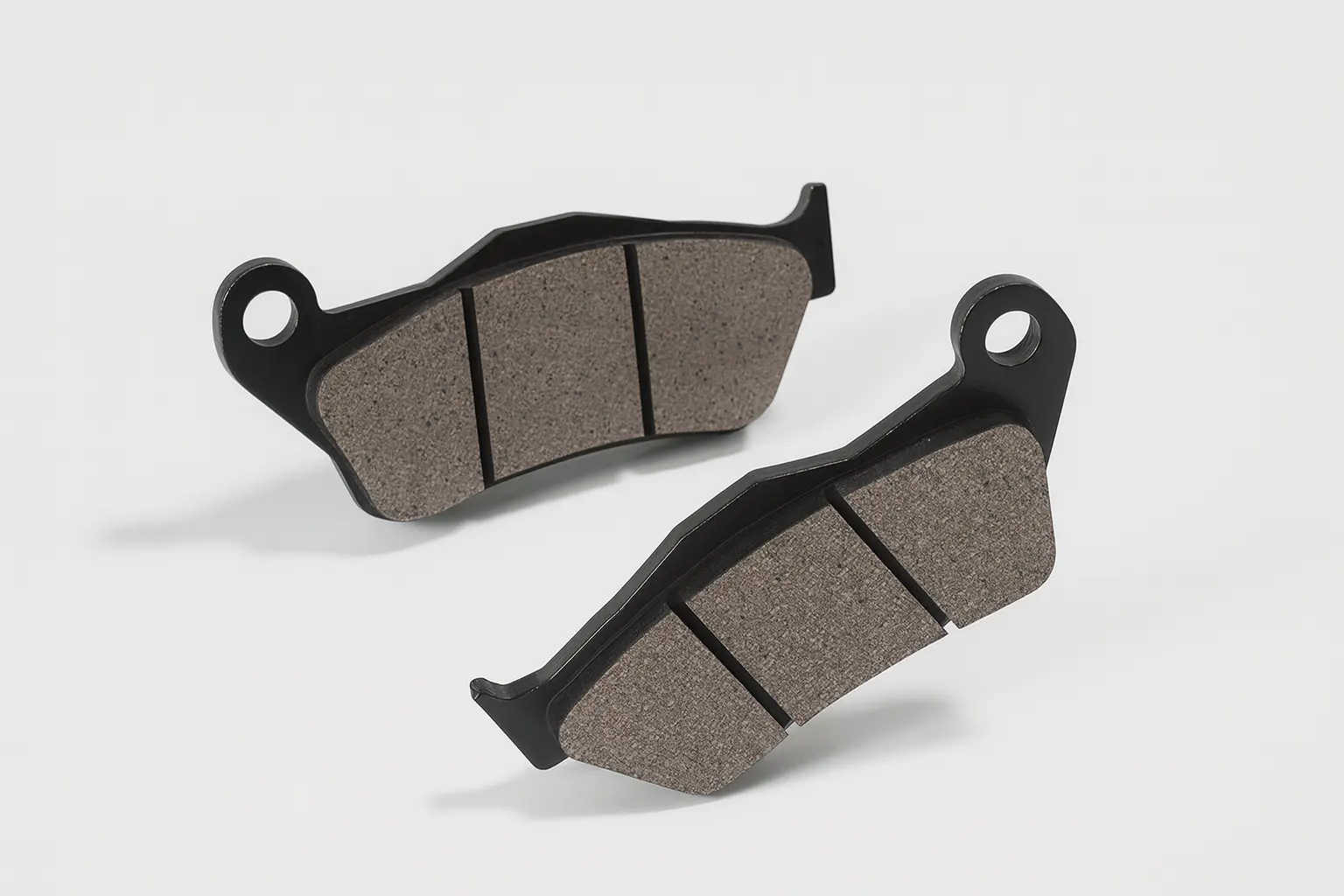
In a disc braking system, brake pads are friction components fitted inside the brake caliper, which sits around the brake disc (also called a rotor).
When the rider applies the brake, the caliper pushes the pads against the rotating disc. The friction created between these surfaces reduces the wheel's speed and helps bring the vehicle to a stop.
Brake pads generally consist of friction material attached to a metal backing plate. They are commonly found in motorcycles and scooters with front disc brakes, rear disc brakes or both, depending on the vehicle's design.
What Are Brake Shoes?
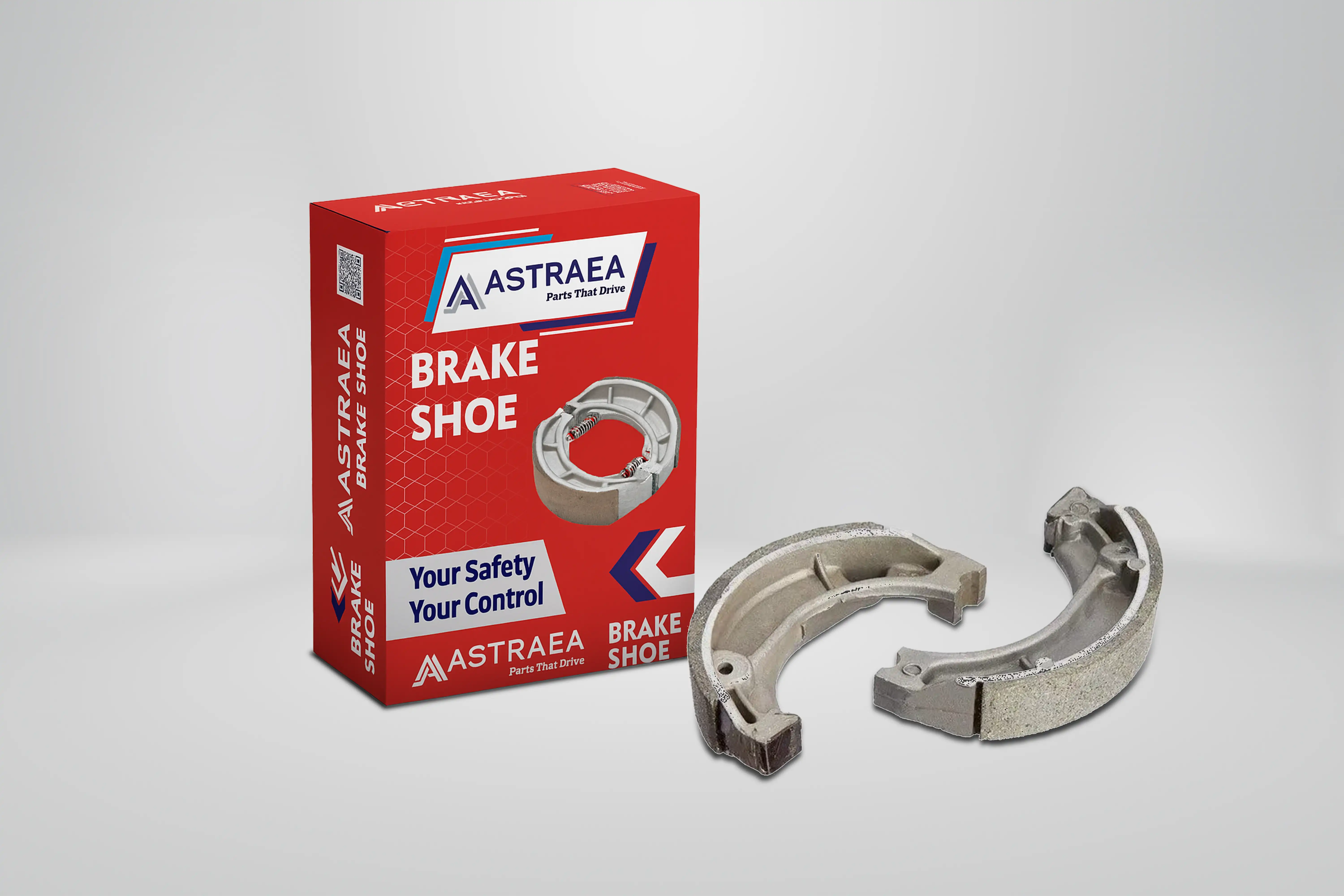
Brake shoes are the friction components used in a drum braking system. They are positioned inside a circular metal drum attached to the wheel.
When the rider applies the brake, the operating mechanism pushes the shoes outward. Their friction linings make contact with the inner surface of the rotating drum, creating friction that slows the wheel.
Most conventional motorcycle drum brakes use a pair of curved brake shoes. Return springs help pull them away from the drum when the brake is released. These components are commonly found in motorcycles and scooters equipped with drum brakes.
Brake Pads vs Brake Shoes: Key Differences
Although both components help slow down a vehicle, their construction, position and working mechanisms are different.
| Comparison | Brake Pads | Brake Shoes |
|---|---|---|
| Braking system | Disc brake | Drum brake |
| Position | Inside the brake caliper | Inside the brake drum |
| Contact surface | Outer surfaces of the rotating disc | Inner surface of the rotating drum |
| Working mechanism | Squeeze the disc from both sides | Expand outward against the drum |
| Construction | Friction material attached to a backing plate | Curved metal shoe with friction lining |
| Heat dissipation | Generally better exposed to airflow | Heat is retained more within the enclosed drum |
| Inspection | Friction material can often be viewed through the caliper | Usually requires access to the drum interior |
The main difference is how these components create friction. Brake pads clamp onto a disc, while brake shoes expand against the inside of a drum.
Neither component is universally better. Their suitability depends on the braking system's design and the vehicle manufacturer's specifications.
How Do Brake Pads and Brake Shoes Work in a Bike Braking System?
Understanding how each system operates makes the difference easier to identify.
How a Disc Brake System Works
A disc braking system uses a brake disc, caliper and brake pads. In a typical hydraulic system:
- The rider pulls the brake lever.
- The master cylinder generates hydraulic pressure.
- The pressure moves the caliper pistons.
- The pistons push the brake pads against the rotating disc.
- Friction between the pads and disc reduces the wheel's speed.
The exposed disc surface generally allows heat to dissipate more effectively.
How a Drum Brake System Works
A conventional motorcycle drum brake generally uses a mechanical operating mechanism.
- The rider operates the brake lever or pedal.
- A cable or rod activates the brake mechanism.
- The brake shoes expand outward.
- Their friction linings press against the inner surface of the rotating drum.
- Friction slows down the wheel.
- Return springs move the shoes away from the drum when the braking force is released.
Advantages and Limitations of Disc Brakes and Drum Brakes
Both systems have practical advantages and limitations. The choice depends on the vehicle's design, intended use and braking requirements.
Disc Brakes
Advantages:
- Generally dissipate heat more effectively because the disc is exposed to airflow.
- Offer consistent braking response when properly maintained.
- Allow easier visual inspection of brake pad wear in many designs.
Limitations:
- Brake pads eventually need to be replaced due to wear and tear.
- The disc and caliper also need regular inspection.
- Exposed components can collect dust, dirt and water.
- The assembly can be more complex than a conventional drum brake.
Drum Brakes
Advantages:
- Their enclosed construction provides some protection to internal components.
- Conventional designs offer a practical solution for vehicles with moderate braking requirements.
- They are a well-established braking system used in many two-wheelers.
Limitations:
- Heat can build up inside the enclosed drum during repeated braking.
- Internal components are less accessible for visual inspection.
- Checking or replacing brake shoes generally requires opening the drum assembly.
- Wear, dust accumulation and adjustment issues can affect braking performance.
How to Identify Whether Your Bike Uses Brake Pads or Brake Shoes
If you are unsure which braking components your motorcycle uses, these checks can help:
- Check the wheel assembly: A disc brake has a visible metal rotor attached to the wheel, with a caliper positioned around it. A drum brake generally has a covered circular brake housing without an exposed disc rotor.
- Refer to the owner's manual: The manual usually identifies the braking system and provides details about the front and rear brake arrangements.
- Check both wheels separately: Some motorcycles use a front disc brake and a rear drum brake. Others may have disc brakes or drum brakes on both wheels.
- Consult a mechanic: If the arrangement is difficult to identify, a qualified mechanic can inspect the assembly and confirm which components are fitted.
When Should Brake Pads and Brake Shoes Be Replaced?
Brake pads and shoes gradually lose their friction material through regular use. Once they reach the manufacturer's specified wear limit, replacement is necessary to maintain safe braking performance.
The replacement interval varies depending on riding habits, traffic conditions, vehicle load, component material and maintenance history.
Signs That Brake Pads May Need Replacement
- The friction material has become too thin.
- The wear indicator shows that the replacement limit has been reached.
- Grinding or unusual braking noises develop.
- Braking performance becomes weaker.
- The pads show uneven wear or visible damage.
Signs That Brake Shoes May Need Replacement
- The shoe lining has worn beyond the permitted limit.
- Braking performance becomes noticeably weaker.
- The brake lever or pedal requires excessive movement.
- The wear indicator reaches its replacement mark, where fitted.
- The shoes show cracks, damage or contamination.
These symptoms do not always mean the friction components are the only issue. Other parts of the braking system may also need inspection. Always follow the vehicle manufacturer's maintenance recommendations and have brake components checked by a qualified technician.
For more information about identifying worn brake pads, read our guide on 7 signs your bike needs new brake pads.
How to Choose the Right Brake Pads or Brake Shoes
Selecting the correct replacement component is important because brake parts are designed for specific vehicle applications.
Before purchasing replacement brake pads or brake shoes, consider the following:
- Vehicle make and model: Check the exact manufacturer, model and variant. Components that look similar may have different dimensions or mounting arrangements.
- Front or rear application: Confirm whether the replacement component is designed for the front or rear braking assembly.
- Correct braking system: Identify whether the vehicle uses disc or drum brakes. Brake pads and brake shoes are not interchangeable.
- Part number and dimensions: Where available, compare the original part number and specifications with those of the replacement component.
- Material and quality: Choose components that meet the applicable quality and performance requirements for the vehicle.
- Reliable sourcing: Purchase replacement components from dependable suppliers and verify that they are suitable for the intended vehicle application.
Correct fitment is particularly important for braking components because an unsuitable replacement can affect braking performance and vehicle safety.
You can explore Astraea's range of automotive spare parts for applicable replacement components. For more guidance on choosing replacement parts, read our OEM vs aftermarket automotive parts buying guide.
Frequently Asked Questions
1. Are brake pads and brake shoes the same?
No. Both are friction components used to slow down a vehicle, but they belong to different braking systems. Brake pads are used in disc brakes, while brake shoes are used in drum brakes.
2. Which is better: disc brakes or drum brakes?
Neither system is automatically better for every vehicle. Disc brakes generally offer better heat dissipation, while drum brakes provide a practical enclosed design. The appropriate system depends on the vehicle's design and intended use.
3. Do all bikes have both brake pads and brake shoes?
No. The braking arrangement varies between models. Some motorcycles use disc brakes on both wheels, while others combine a front disc brake with a rear drum brake. Some models use drum brakes on both wheels.
4. Can brake pads be replaced with brake shoes?
No. They are designed for different braking mechanisms and are not interchangeable. The replacement must match the vehicle's original braking system.
5. Do brake shoes last longer than brake pads?
Not necessarily. Their lifespan depends on riding conditions, braking frequency, component material, vehicle load and maintenance. The actual condition and manufacturer's wear limits should determine when replacement is needed.
6. How often should brake pads and brake shoes be inspected?
Follow the inspection schedule in the vehicle owner's manual. Brake components should also be checked if you notice unusual noises, reduced braking performance or changes in brake lever or pedal response.
Final Thoughts
Brake pads and brake shoes serve the same purpose, but their working mechanisms are different. Brake pads create friction against a rotating disc, whereas brake shoes press against the inner surface of a rotating drum.
Understanding these differences makes it easier to identify the correct braking components and understand their maintenance requirements. Replacement parts should always match the vehicle's make, model, variant and original braking specifications.
Whether you are sourcing disc brake pads or drum brake shoes, correct fitment and dependable product quality should remain priorities. If you need help identifying a suitable product, contact Astraea for assistance.