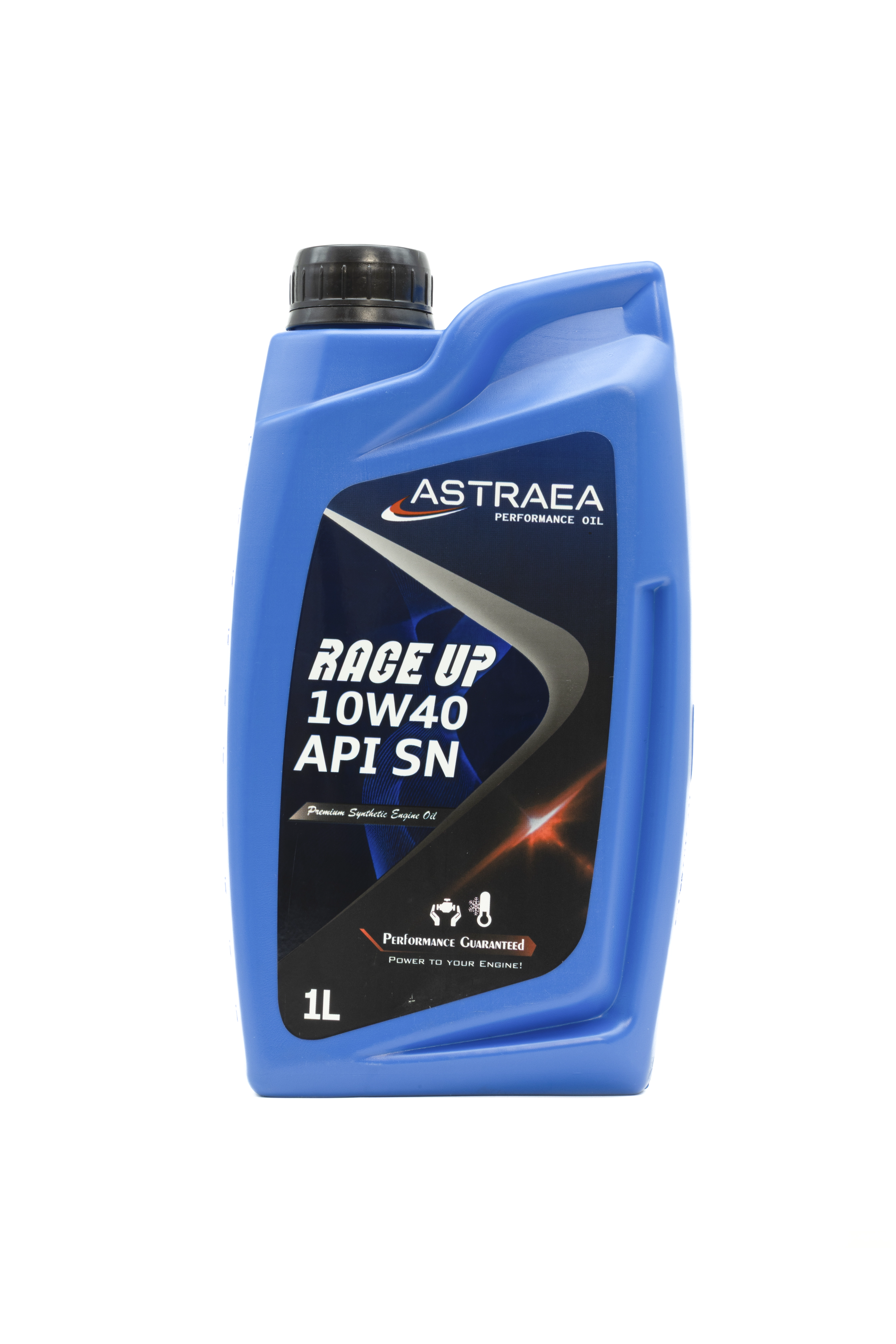
City commuting presents unique challenges for your vehicle's engine. The constant stop-and-go traffic, frequent idling, and short trips can put significant stress on your engine oil. Choosing the right oil is crucial for maintaining optimal performance and extending your engine's life.
Pro Tip: In city conditions, consider changing your oil every 2,000-3,000 km instead of the standard interval to ensure optimal engine protection.
Understanding Viscosity Grades
Viscosity is the measure of an oil's resistance to flow. In city conditions, you need oil that maintains its protective properties across varying temperatures. The numbers you see on oil bottles (like 10W-40) indicate the oil's viscosity at different temperatures.
The first number (10W) represents the oil's flow at cold temperatures, while the second number (40) indicates its viscosity at operating temperature. For city riding, you want oil that flows easily when cold but maintains protection when hot.
Why City Driving is Different
City driving involves unique challenges that put extra stress on your engine oil:
- •Frequent engine starts and stops - Each start creates wear as oil drains back to the sump
- •Extended periods of idling - Oil doesn't circulate as effectively at idle
- •Lower average speeds - Engine doesn't reach optimal operating temperature
- •More exposure to dust and pollutants - Contaminants enter the engine more frequently
Recommended Oil Types for City Commutes
For most 2-wheelers and 3-wheelers in city conditions, we recommend:
Scooters & Light Motorcycles
10W-30 or 10W-40
Ideal for frequent starts and moderate temperatures
Heavy Motorcycles & 3-Wheelers
20W-40 or 20W-50
Better protection for larger engines under load
Consider synthetic or semi-synthetic oils for better protection in extreme conditions. While they cost more upfront, they offer superior protection and can extend engine life significantly.
Maintenance Tips
Change your oil more frequently in city conditions - every 2,000-3,000 km instead of the standard 3,000-5,000 km interval. Always use oils that meet or exceed your manufacturer's specifications.
Check your oil level weekly and look for signs of contamination. Dark, gritty oil should be changed immediately, regardless of mileage.


