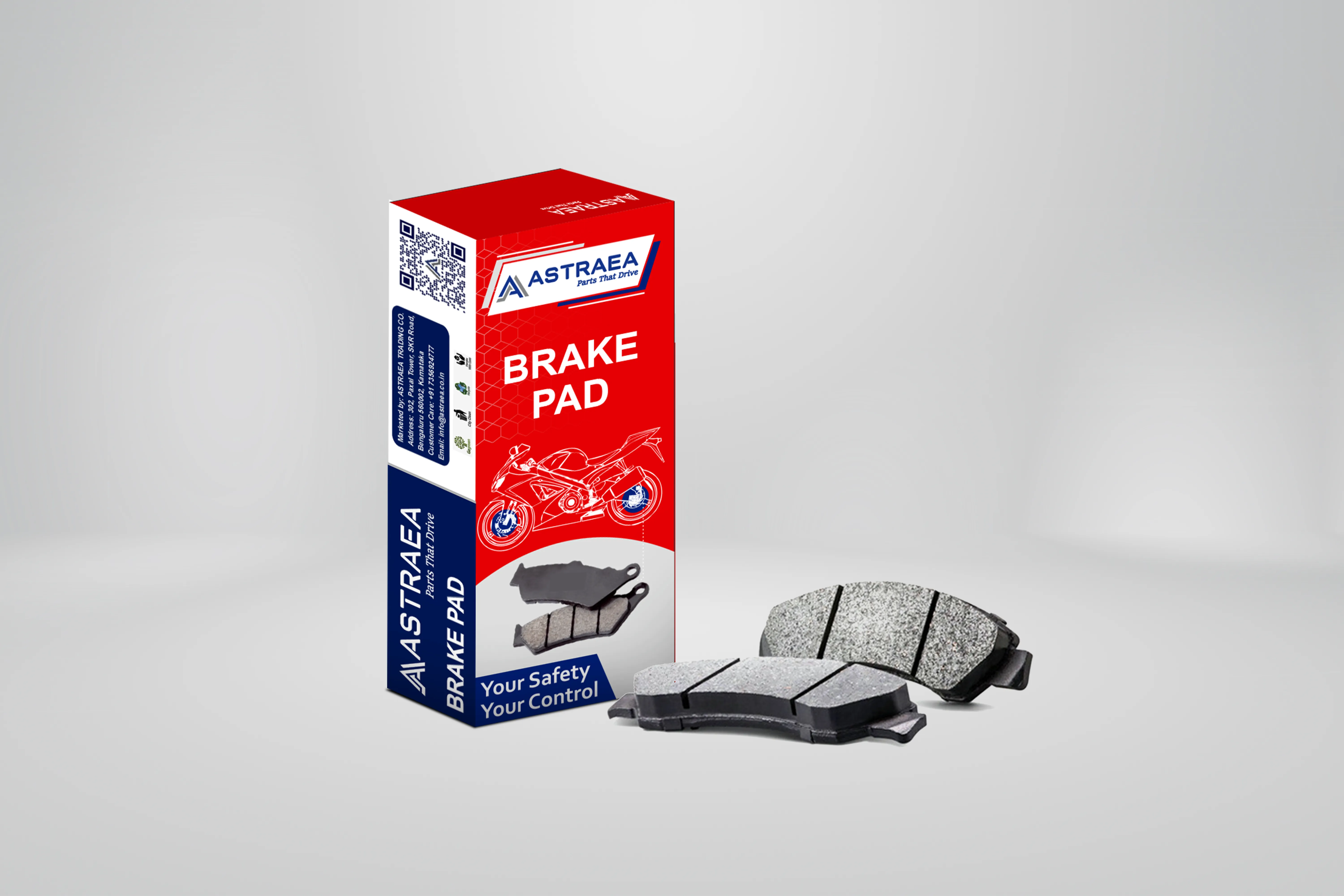
A motorcycle's braking system depends on several components working together to provide controlled and predictable stopping power. Among them, brake pads play a direct role in slowing down the wheels. However, choosing replacement pads based only on appearance or price can lead to compatibility problems.
Correct brake pad fitment ensures that the replacement component matches the motorcycle's braking system, caliper design and manufacturer specifications. Even if two brake pads look similar, differences in their dimensions, shape or mounting points can make them unsuitable for the same vehicle.
For motorcycle owners, mechanics and spare parts dealers, understanding motorcycle brake compatibility is essential when selecting replacement components. It helps prevent installation issues, uneven wear and problems that may affect braking performance.
Let's explore why proper fitment matters and what to consider when choosing the correct brake pads for a two-wheeler.
Understanding Brake Pad Fitment in Two-Wheelers
Brake pad fitment refers to how accurately a replacement brake pad matches the specifications and physical requirements of a motorcycle's braking assembly.
In a typical disc braking system, brake pads sit inside the caliper on either side of the brake disc. When the rider applies the brake, the caliper presses the pads against the rotating disc. The friction between these surfaces slows down the wheel.
For this mechanism to work correctly, the brake pads must fit the caliper and align properly with the disc.
A suitable replacement should match important specifications such as:
- Shape and dimensions: The pad must have the correct outline, length, width and thickness for the intended caliper.
- Mounting points: Holes, tabs, slots and retaining features must match the original design.
- Friction surface: The contact area should align appropriately with the brake disc.
- Pad thickness: The replacement must meet the manufacturer's specified dimensions and clearance requirements.
- Friction material: The compound should be suitable for the vehicle's braking system and intended application.
A brake pad that appears similar to the original may still have differences that prevent proper installation or operation.
Why Correct Brake Pad Fitment Matters for Motorcycle Safety
Choosing the right replacement is not simply a matter of making the pad fit inside the caliper. Its dimensions, position and friction characteristics also influence how the braking assembly operates.
Here are the main reasons correct brake pad fitment deserves attention.
1. Maintains Consistent Braking Performance
Brake pads need to make appropriate contact with the disc to generate friction effectively.
When the replacement pad matches the original specifications, it can operate as intended within the braking assembly. An incorrectly sized or positioned pad may not contact the disc properly, potentially affecting braking response and efficiency.
2. Helps Prevent Uneven Brake Pad Wear
Incorrect positioning or incompatibility can contribute to uneven contact between the pad and disc.
For example, if the friction surface does not align correctly, some areas may experience more contact than others. This can result in irregular wear and reduced braking consistency.
However, uneven wear is not always caused by incorrect pad selection. Sticking caliper pistons, damaged guide components and disc-related problems can also contribute to it.
3. Reduces the Risk of Installation Problems
Brake pads are designed with specific shapes and mounting arrangements to suit particular calipers.
A replacement with incompatible dimensions or retaining features may be difficult to position correctly. Forcing an unsuitable component into place can damage the pad, caliper or associated hardware.
The correct replacement should fit according to the manufacturer's installation instructions, without unnecessary modification or force.
4. Helps Protect Other Brake Parts
The brake pad, disc and caliper work together as a system. A problem with one component can affect the others.
An incorrectly fitted or poorly aligned pad may contribute to abnormal contact, noise, vibration or disc wear. This can increase maintenance requirements and potentially lead to additional component replacement.
Checking the entire braking assembly during pad replacement helps identify related problems before they become more serious.
5. Supports Reliable Braking Over Time
A correctly selected brake pad must also be suitable for the motorcycle's operating requirements.
The appropriate friction material, dimensions and installation arrangement help the braking system function according to its intended design. Choosing a compatible replacement is therefore important for maintaining dependable performance throughout the component's service life.
Motorcycle Brake Compatibility: What Should You Check?
Motorcycle brake compatibility involves more than identifying the vehicle brand. Different models and variants from the same manufacturer may use different braking assemblies.
Before purchasing replacement brake pads, check the following details.
Vehicle Make, Model and Variant
Start by identifying the exact motorcycle make, model and variant.
A manufacturer may use different brake calipers or pad designs across its product range. Even motorcycles with similar engine capacities may require different replacement components.
Always verify the vehicle application rather than relying on general model similarities.
Front or Rear Brake Application
Confirm whether the replacement is intended for the front or rear braking assembly.
Some motorcycles use different brake pad designs for each wheel. A front brake pad should not be assumed to fit the rear assembly simply because the motorcycle uses disc brakes at both ends.
Original Part Number
The original equipment part number is one of the most useful ways to identify a compatible replacement.
Compare the original part number with the replacement manufacturer's application catalogue. If the number is unavailable, use the vehicle's official parts catalogue or consult a qualified mechanic or parts specialist.
Brake Pad Dimensions and Design
Compare the replacement pad's physical specifications with the original component.
Pay attention to:
- Overall length and width.
- Friction material thickness.
- Backing plate shape.
- Mounting holes and retaining features.
- Position of any slots, grooves or wear indicators.
Physical resemblance alone is not sufficient confirmation of compatibility.
Friction Material and Quality
Brake pads are manufactured using different friction compounds, each designed to provide particular operating characteristics.
The suitable compound depends on the vehicle manufacturer's requirements, braking system and intended use. A replacement should meet the relevant specifications rather than being selected solely because it is marketed as a performance upgrade.
Common Problems Caused by Incorrect Brake Pad Fitment
Using an incompatible replacement can create several issues during installation or operation.
| Problem | Possible reason |
|---|---|
| Pad does not fit inside the caliper | Incorrect shape or dimensions |
| Difficulty securing the pad | Incompatible mounting points or retaining hardware |
| Uneven pad wear | Incorrect alignment or caliper-related problems |
| Braking noise or vibration | Improper contact, damaged components or installation issues |
| Reduced braking performance | Incorrect friction material, contamination or poor contact |
| Premature component wear | Incompatible pad, disc damage or caliper malfunction |
These symptoms do not automatically confirm incorrect brake pad fitment. Other braking-system faults can produce similar problems.
If unusual noise, vibration, reduced braking response or uneven wear develops after replacement, have the complete assembly inspected by a qualified technician.
How to Choose the Correct Brake Pads for Your Two-Wheeler
Selecting the right replacement becomes easier when you follow a systematic approach.
Step 1: Identify the Motorcycle
Note the manufacturer, model, variant and relevant production details. Avoid relying only on engine capacity or vehicle appearance.
Step 2: Confirm the Original Brake Pad Specification
Check the owner's manual, manufacturer's parts catalogue or original part number to identify the required replacement.
Step 3: Verify Motorcycle Brake Compatibility
Compare the replacement's dimensions, shape, mounting features and intended application with the original specifications.
Step 4: Check Product Quality and Specifications
Choose brake pads that meet the applicable vehicle and manufacturer requirements. Consider the friction material and product specifications instead of making a decision based only on price.
Step 5: Purchase from a Reliable Spare Parts Supplier
A dependable supplier can help identify the appropriate product application and provide relevant product information.
For mechanics and dealers, accurate application details are particularly important when sourcing brake parts for different motorcycle models.
Step 6: Ensure Correct Installation
Brake pad replacement should follow the motorcycle manufacturer's service instructions. The caliper, disc, retaining hardware and associated components should also be inspected during the process.
Brake installation is safety-critical work and should be handled by a qualified technician when the necessary tools or experience are unavailable.
When Should You Replace Your Two-Wheeler Brake Pads?
Even correctly fitted brake pads gradually wear down through regular use. Knowing when to replace them is just as important as choosing the right replacement.
Look out for the following signs:
- Reduced friction material: The pad has reached the minimum thickness specified by the manufacturer.
- Unusual braking noises: Persistent squealing or grinding may indicate wear or another braking-system issue.
- Reduced braking response: The motorcycle does not slow down as expected.
- Uneven pad wear: One area or pad appears to be wearing faster than another.
- Visible damage: Cracks, contamination or other physical damage are present.
These signs require proper inspection because similar symptoms can result from problems with the disc, caliper or hydraulic system.
There is no universal replacement kilometre limit for every motorcycle. Always follow the manufacturer's inspection schedule and specified wear limits.
Why Professional Installation Matters for Brake Parts
Selecting the correct brake pad is only one part of maintaining a reliable braking system. Proper installation is equally important.
During replacement, a qualified technician should:
- Confirm that the replacement part matches the vehicle application.
- Inspect the brake disc for excessive wear, scoring or damage.
- Check the caliper and associated components.
- Ensure retaining clips, pins and other hardware are correctly positioned.
- Follow the manufacturer's specified installation procedure.
- Verify correct brake operation before returning the motorcycle to normal use.
New brake pads may also require a bedding-in procedure. This allows the friction surfaces to settle against the disc. Follow the instructions provided by the pad manufacturer or motorcycle manufacturer.
Never assume that a new brake pad is ready for normal riding simply because it has been installed.
Choose the Right Brake Parts for Dependable Two-Wheeler Performance
Brake pad selection should always begin with vehicle compatibility and manufacturer specifications. A replacement that looks similar to the original may not necessarily have the correct dimensions, mounting arrangement or friction characteristics.
For motorcycle owners, mechanics and spare parts dealers, paying attention to correct brake pad fitment helps avoid unnecessary installation problems and supports the proper functioning of the braking system.
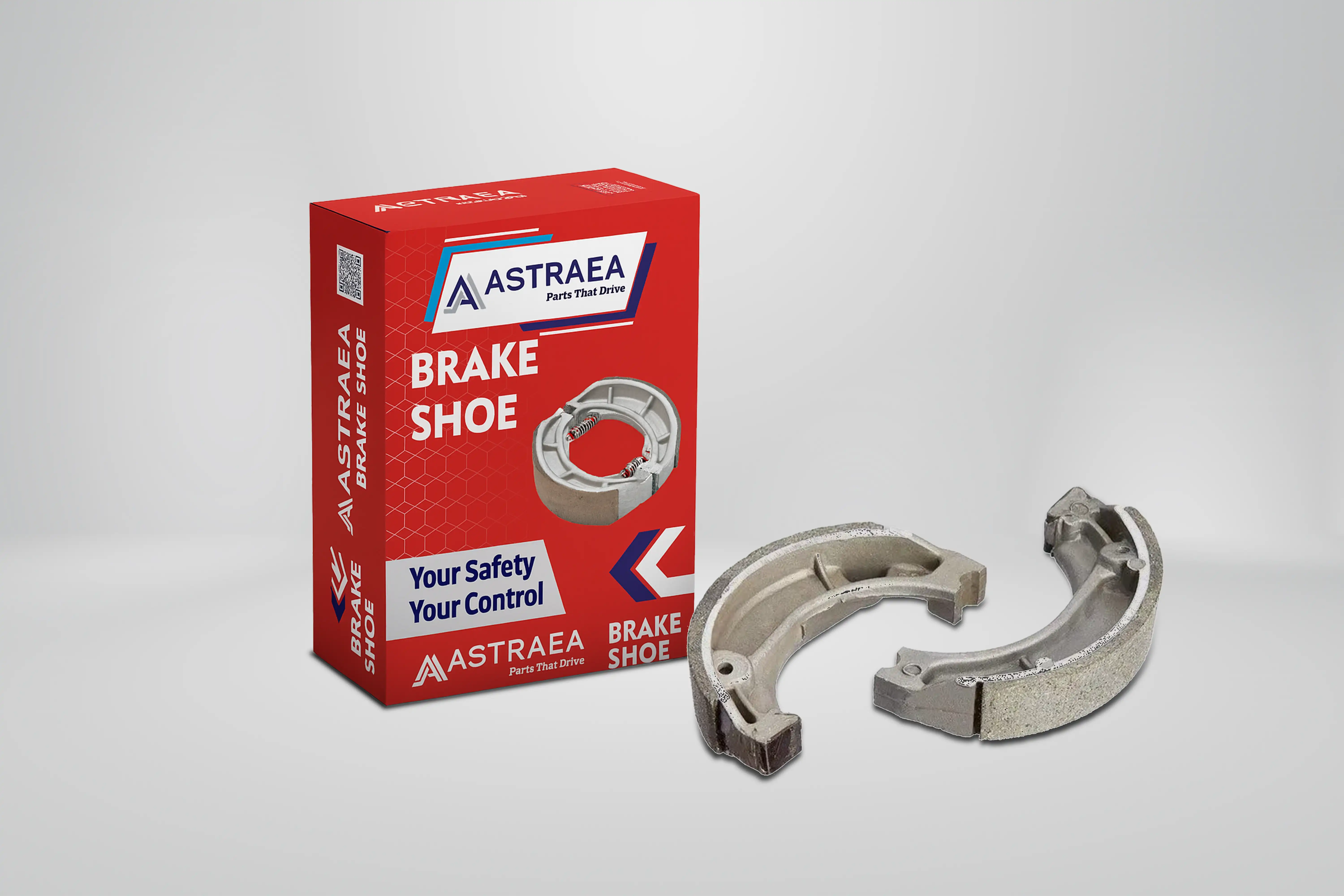
Astraea Trading Company supplies automotive spare parts for two-wheelers and three-wheelers, including brake pads, brake shoes and other essential components. With over 35 years of experience in automotive spare parts distribution, Astraea focuses on supplying products that meet OE standards.
Whether you are sourcing replacement components for individual vehicles or purchasing brake parts for your business, choosing suitable products from a dependable supplier is an important part of responsible vehicle maintenance.
Explore Astraea's automotive spare parts range or contact the team for product-related enquiries.
Common questions
Frequently Asked Questions
1. Why is correct brake pad fitment important for motorcycles?
Correct brake pad fitment ensures that the replacement matches the caliper, disc and vehicle specifications. It helps maintain proper positioning, contact and braking-system operation.
2. Are motorcycle brake pads interchangeable between different models?
Not necessarily. Different motorcycles may use different pad shapes, dimensions, mounting arrangements and friction specifications. Always verify compatibility using the manufacturer's application details or part number.
3. How can I check motorcycle brake compatibility?
Check the motorcycle's exact make, model and variant, original brake pad part number, dimensions and intended front or rear application. Consult the manufacturer's parts catalogue or a qualified mechanic if the specifications are unclear.
4. Can incorrect brake pad fitment affect braking performance?
Yes. An incompatible or incorrectly positioned pad may cause improper disc contact, uneven wear, installation difficulties and reduced braking performance.
5. Should front and rear brake pads be the same?
Not always. Some motorcycles use different pad designs for the front and rear braking assemblies. Replacement components must match the specifications of the intended position.
6. How do I know when motorcycle brake pads need replacement?
Check for reduced friction material, wear indicators, unusual noises, visible damage and changes in braking performance. Always compare the pad thickness with the manufacturer's specified wear limit.
7. Can I install motorcycle brake pads myself?
Brake pad replacement requires appropriate tools, technical knowledge and adherence to the manufacturer's service instructions. If you are unfamiliar with brake maintenance, have the work performed by a qualified technician.
8. Does a new brake pad need a bedding-in period?
Yes, many new brake pads require a bedding-in procedure to establish appropriate contact between the pad and disc. Follow the instructions provided by the component or vehicle manufacturer.